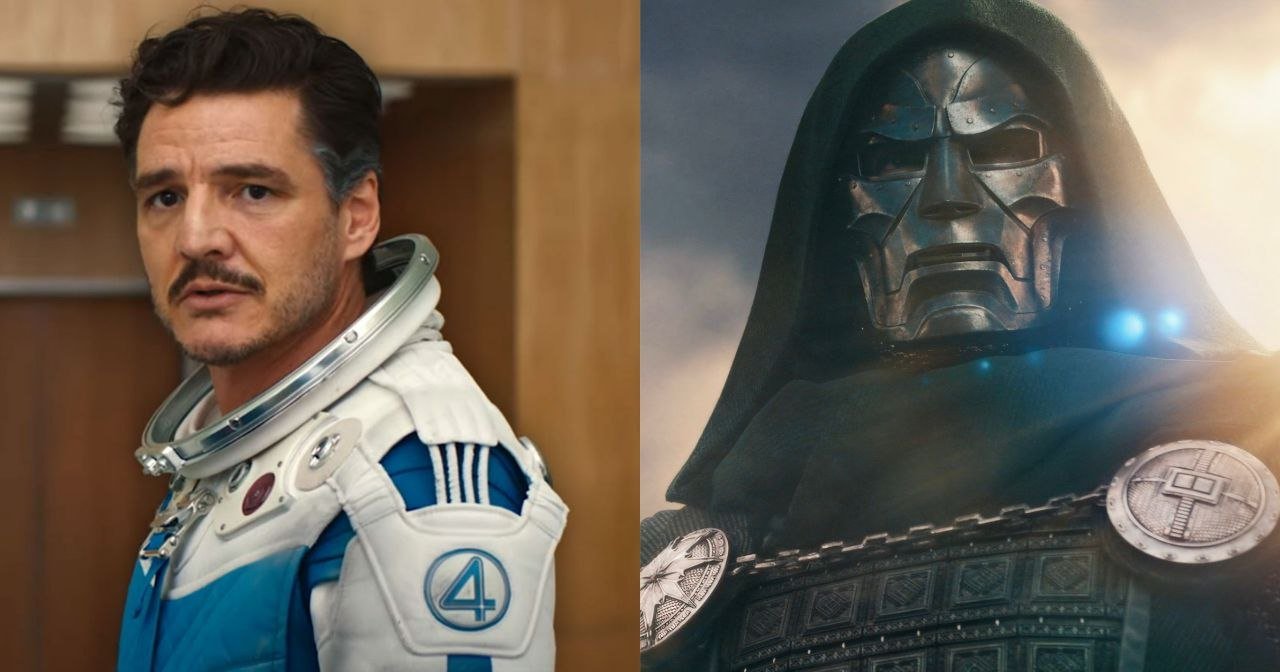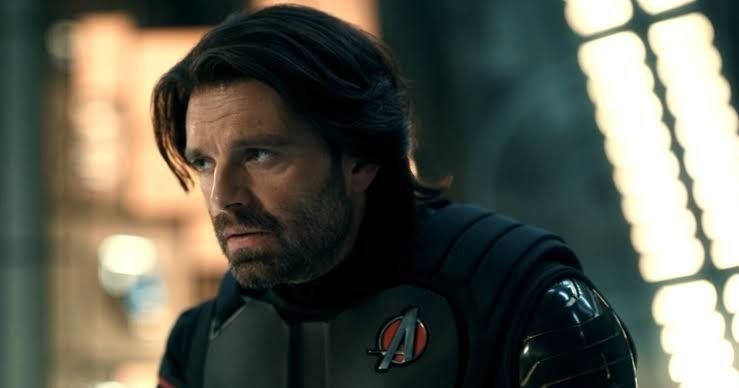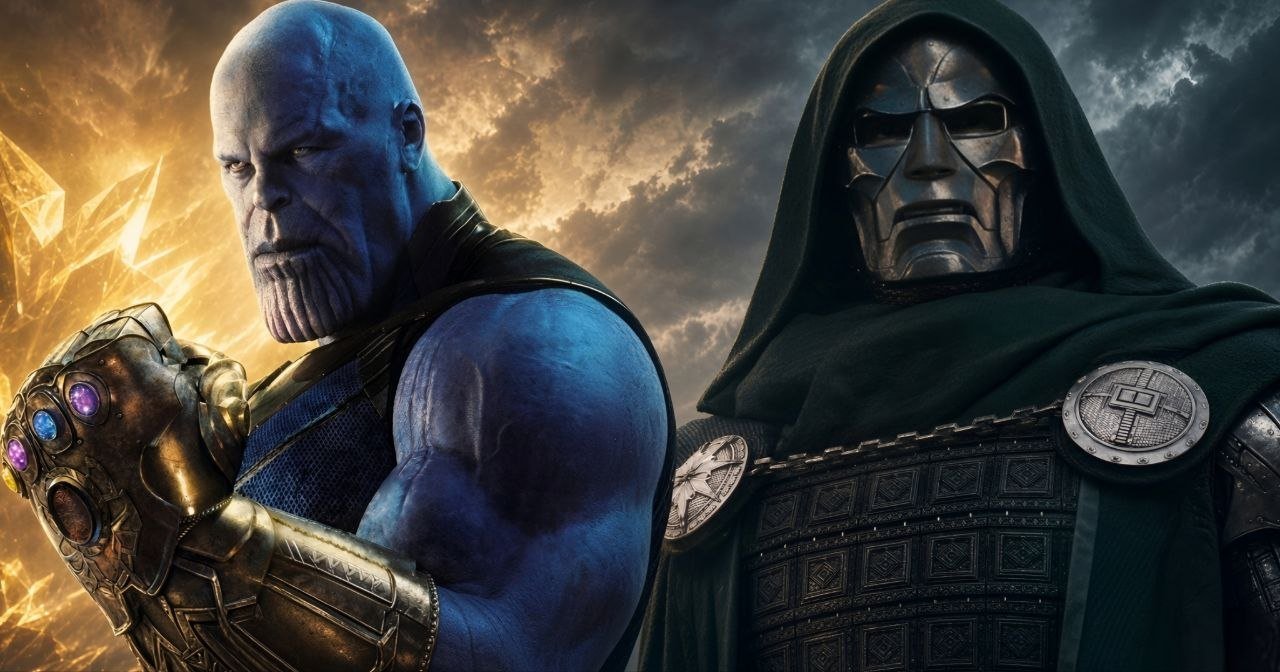
Marvel Studios is taking a noticeably different approach with Avengers: Doomsday, and this shift is already generating positive attention across the fan community. Rather than trying to recreate the massive success of Avengers: Infinity War and Avengers: Endgame, the studio is now focusing on building a refreshed foundation for the MCU’s future.
More importantly, this change signals a clear creative reset. Instead of relying on nostalgia or repeating familiar formulas, Marvel appears to be prioritizing long-term storytelling, stronger character development, and a more grounded narrative structure. As a result, Doomsday is being positioned less as a “follow-up” and more as a new beginning for the Avengers era.
Robert Downey Jr. Opens Up About the Challenge
During SXSW London 2026, Robert Downey Jr. joined directors Joe and Anthony Russo to discuss the future of the MCU and the challenge of following its most iconic films.
Downey Jr. was candid about the pressure surrounding the project, stating:
“We can’t beat it. We can’t stand on the shoulders of these giants of Infinity War and Endgame.”
He further explained that the team is essentially “zeroing out the board,” emphasizing that Marvel is not trying to replicate its past success but instead rebuild audience trust step by step. This approach suggests a more humble and strategic direction, as Marvel resets expectations rather than inflating them.
In addition, his comments highlight how aware the creators are of the scale of what came before—and how difficult it would be to match it directly without feeling repetitive.
Why Infinity War and Endgame Cannot Be Repeated
There is a clear reason why Marvel is moving away from comparisons with its previous peak. Infinity War and Endgame were not just movies—they were the culmination of more than a decade of carefully connected storytelling.
Furthermore, their success was shaped by a rare combination of factors that cannot easily be duplicated:
- A decade-long emotional investment in characters like Iron Man, Captain America, and Thor
- A global rise in superhero film popularity at the perfect time
- A tightly planned crossover narrative built across multiple phases
- A cinematic event feeling that brought audiences together worldwide
Together, these elements created a cultural moment that extended far beyond typical box office success. Consequently, the films earned nearly $5 billion worldwide, cementing their place as some of the highest-grossing films in history.
Trying to replicate that exact formula today would likely feel forced, especially in a post-Endgame MCU where audience expectations and viewing habits have already evolved.
Avengers: Doomsday and Marvel’s Post-Endgame Strategy
Since Endgame, Marvel has faced a more complicated landscape. While the MCU continues to expand, it has also struggled with maintaining consistent momentum and audience engagement across its growing slate of films and Disney+ series.
For instance, the studio has dealt with:
- Audience fatigue due to a high volume of interconnected content
- Difficulty in establishing new central figures to replace legacy heroes
- Mixed reactions to certain recent releases in both film and streaming
- A fragmented storyline that feels less unified than earlier phases
In response, Marvel has started shifting its focus toward a smaller set of core properties. Rather than expanding endlessly, the studio is now consolidating around key franchises such as The Avengers, Fantastic Four, X-Men, and Spider-Man. This strategy suggests a return to clearer storytelling and stronger narrative direction.
As a result, Avengers: Doomsday appears to be a crucial piece in this restructuring process.
Why This Shift Is Good News for Avengers: Doomsday
Although expectations for Avengers: Doomsday remain high, Marvel’s new approach may actually be beneficial for the franchise’s long-term health. Instead of attempting to recreate Endgame or compete with its legacy, the film is being developed as a fresh entry point into a new era of storytelling.
In fact, early indications suggest the film could serve multiple narrative purposes at once:
- A structural reset for the Avengers team
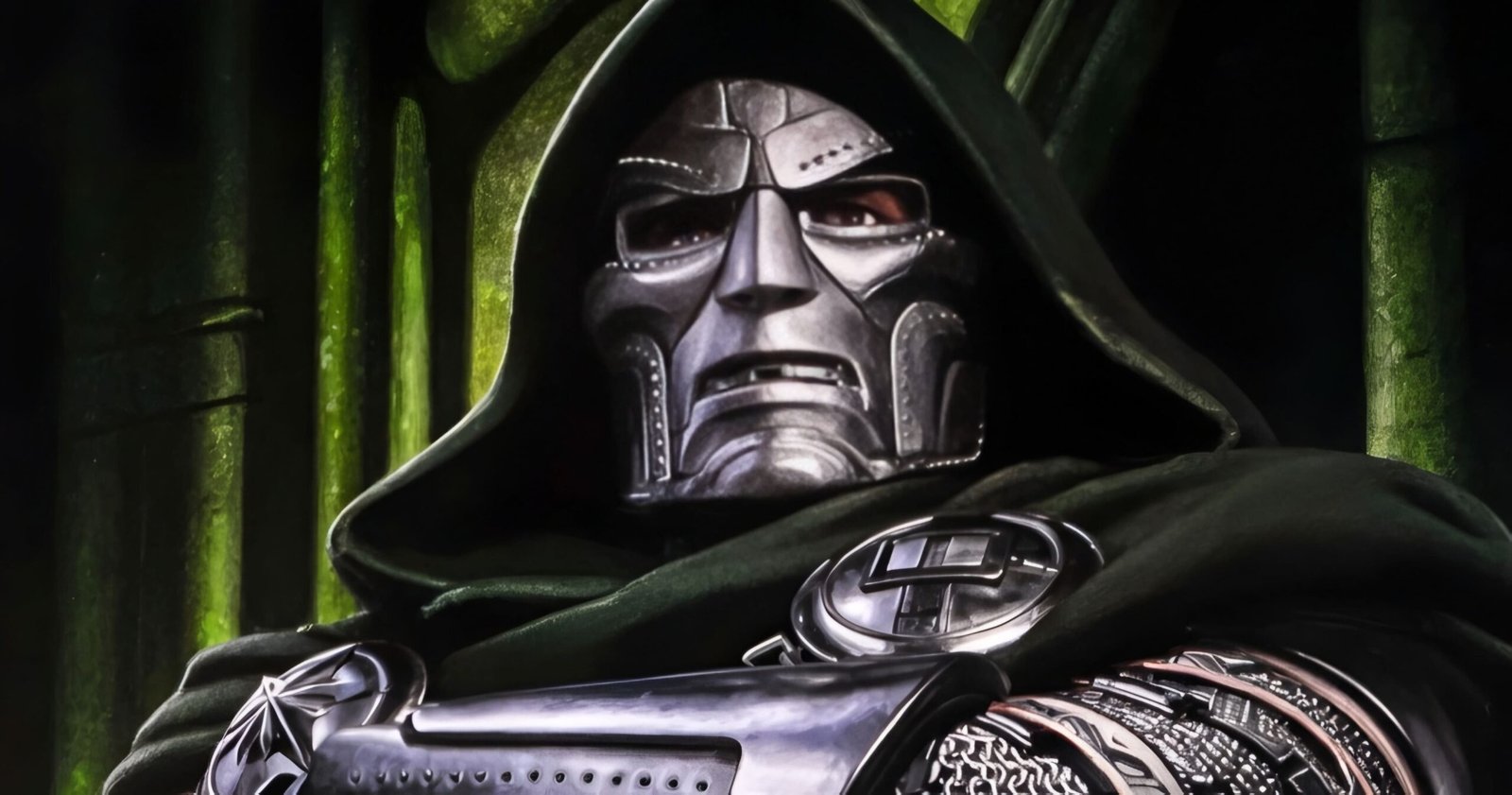
- A Doctor Doom-driven storyline that introduces a new central threat
- A transitional bridge into the next major MCU saga
- A more focused and character-driven cinematic experience
Therefore, rather than aiming for scale alone, Marvel seems to be prioritizing emotional weight, coherence, and storytelling clarity. If executed well, this could help restore audience confidence and rebuild excitement in a more sustainable way.
Ultimately, fans may not need another Endgame-level event. Instead, they may benefit more from a story that feels fresh, purposeful, and creatively distinct from what came before.
Avengers: Doomsday is scheduled to release in theaters on December 18, 2026.
Stay tuned for the latest updates on MCU’s upcoming projects, and subscribe to Marvel Updates’ YouTube channel.