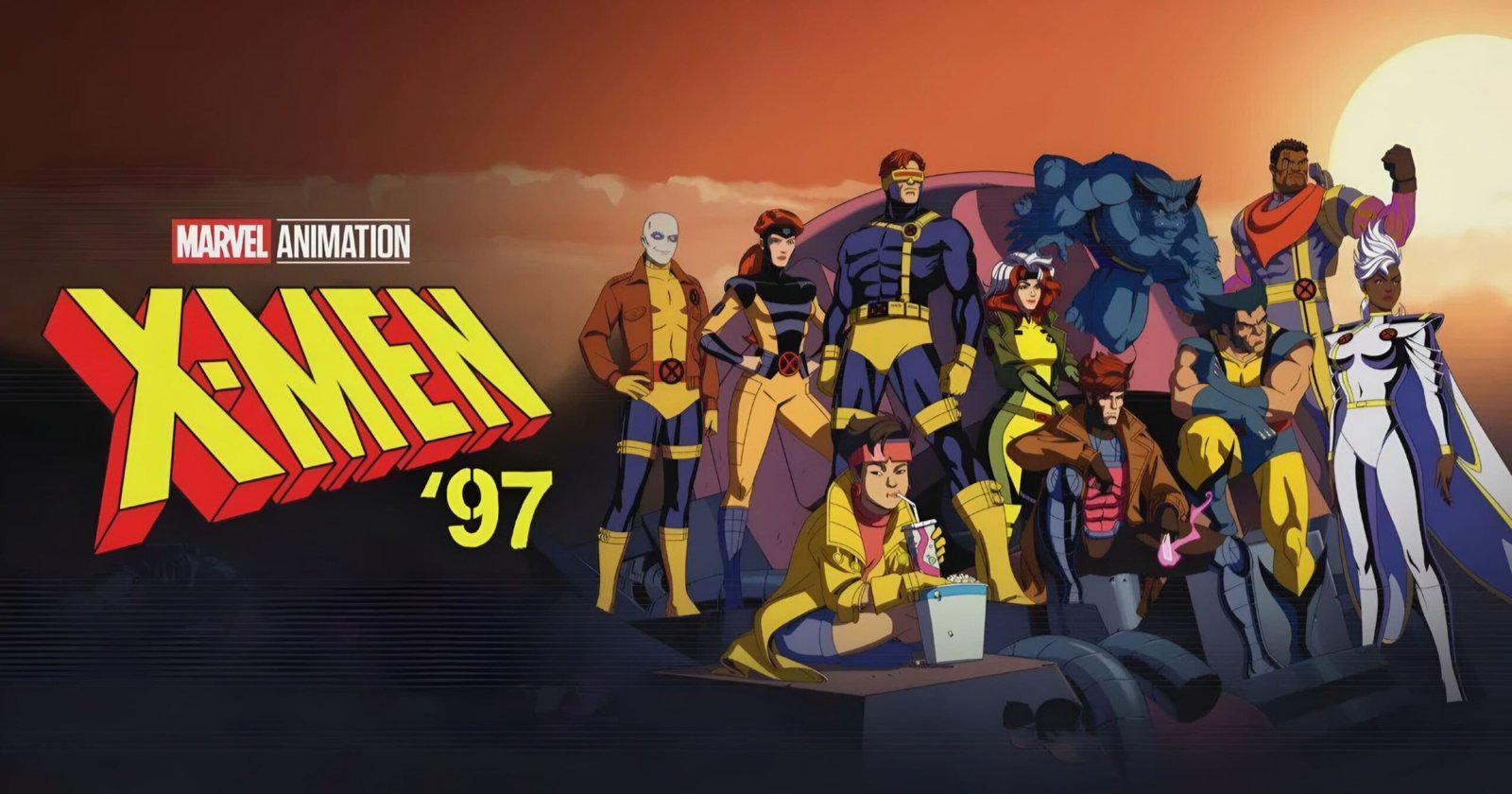
X-Men storytelling strength is once again at the center of attention in X-Men ’97 Season 2. The series continues to deliver a layered narrative style that feels increasingly rare in modern MCU projects. In contrast, many recent Marvel stories often prioritize exposition over organic storytelling.
Moreover, Season 2 builds directly on the dramatic Season 1 finale, where a catastrophic asteroid impact forces the X-Men to split across different timelines.
The X-Men ’97 Scatter Across Time Periods
Following the Season 1 finale, the team faces two drastically different realities. Half of the X-Men are sent to 3960 AD, a future ruled by Apocalypse after Earth’s downfall.
Meanwhile, the remaining heroes are transported to 3000 BC, where Apocalypse—still known as En Sabah Nur—begins his rise as a ruthless ruler challenging an unjust pharaoh.
As a result, the story immediately expands into a dual-timeline structure, raising the stakes for both groups of mutants.
X-Men ’97 Storytelling Strength Shines as Season 2 Premiere Explores Both Timelines in Depth
The three-episode premiere of Season 2 carefully explores the fate of both groups. At the same time, it also shows how Earth has evolved in the absence of the X-Men.
In addition, the narrative continues to reward attentive viewers without slowing down the main plot. This balance keeps the story engaging while maintaining accessibility for new audiences.
Easter Eggs Without Heavy Exposition
One of the strongest examples of X-Men storytelling strength is the way the series handles Easter eggs. Unlike many modern MCU projects, references are not over-explained or forced into the narrative.
However, in recent MCU entries, Easter eggs often turn into lengthy exposition dumps that interrupt pacing.
For example, Doctor Strange in the Multiverse of Madness used the Illuminati of Earth-838 largely as a tool to explain the multiverse concept before the conflict escalated with Scarlet Witch.
In contrast, X-Men ’97 treats cameo appearances more naturally. For instance, Peter Parker and Mary Jane Watson from Spider-Man ’94 appear in Season 1 without disrupting the storyline, serving as optional rewards for longtime fans.
Season 2 Continues Subtle Storytelling
Season 2 continues this approach by teasing comic book lore rather than fully explaining every detail.
For example, the episode “Days of Past Future” references Mother Askani without explicitly naming her. This allows comic readers to recognize the character while still keeping the story accessible to newcomers.
Similarly, “A Force To Be Reckoned With” introduces young mutants like Kid Omega and Monet, but the story does not rely on viewers knowing their backgrounds.
Therefore, the narrative remains smooth and easy to follow.
Rama-Tut Adds Mystery Without Confusion
The series also introduces Rama-Tut, presenting him as an advanced pharaoh who opposes Apocalypse.
Importantly, the show does not require viewers to understand his deeper connection to Kang the Conqueror. Instead, it allows the character to stand on his own within the story.
However, new viewers may still infer his identity when he describes himself as “a conqueror,” adding subtle depth without breaking immersion.
Ultimately, X-Men ’97 Season 2 reinforces why X-Men storytelling strength remains so effective in modern superhero narratives. By prioritizing storytelling flow, character-driven progression, and subtle world-building, the series avoids the common pitfalls of over-explaining its universe.
As a result, it delivers a more immersive and emotionally engaging experience that both longtime fans and newcomers can appreciate equally. This approach highlights a clear contrast with many recent MCU projects, which often struggle to maintain balance between exposition and narrative momentum.
The first three episodes of X-Men ’97 Season 2 are now streaming on Disney+.
Stay tuned for the latest updates on MCU’s upcoming projects, and subscribe to Marvel Updates’ YouTube channel.