Daredevil: Born Again Season 2 continues to expand its storytelling inside the Marvel Cinematic Universe (MCU). Moreover, the series is now receiving attention not just for its plot, but also for its carefully crafted visual language. Interestingly, the use of color is not accidental but deeply intentional. As a result, viewers are beginning to notice that every visual choice reflects character psychology, moral conflict, and thematic depth.
Kingpin’s White Suit and Its Symbolic Meaning
Cinematographer Hillary Fyfe Spera recently explained the intention behind Wilson Fisk’s white clothing. However, she clarified that the design choice does not represent innocence, purity, or heroism in any traditional sense.
She stated:
“There is this thing about hiding in plain sight — he’s not hiding at all,”
Spera further expanded on this idea:
“He’s very, very bold, and he’s like this white oppressive-toned thing. It’s the opposite of what you think of when you think of a light, heavenly figure that’s supposed to be peaceful and the savior.”
Moreover, this visual approach intentionally flips audience expectations. Instead of associating white with goodness, the series uses it to emphasize dominance, control, and psychological intimidation. Consequently, Kingpin’s presence feels even more unsettling because it visually contradicts what viewers usually expect from color symbolism.
Additionally, his white suits also reinforce his comic book legacy, grounding the MCU version in long-standing source material while reinterpreting it for a modern cinematic tone. This blend of tradition and reinvention strengthens his identity as both familiar and unpredictable.
Daredevil’s Dark Suit and Visual Contrast
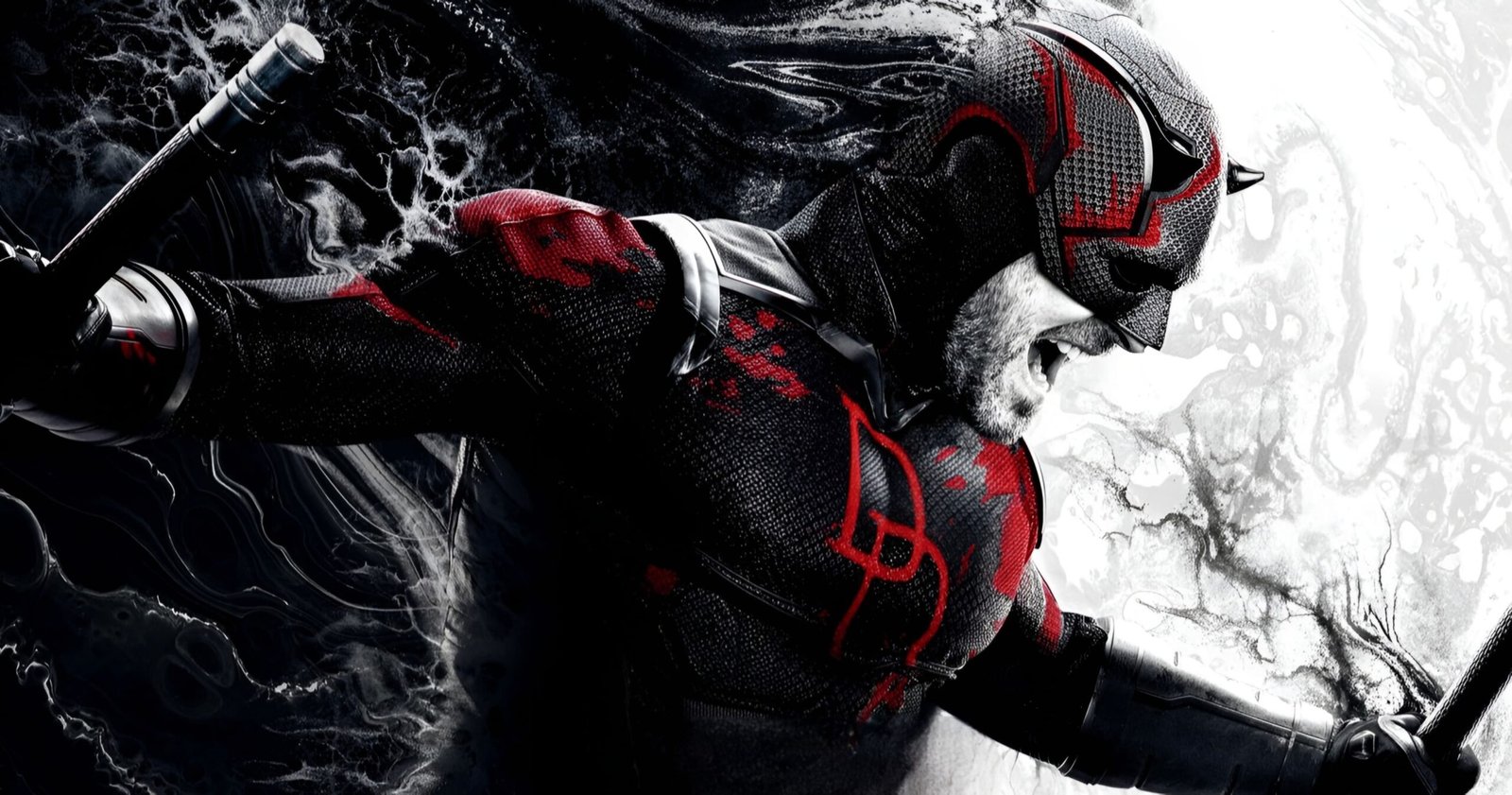
Meanwhile, Daredevil’s design takes a sharply opposite direction. He appears in a mostly black suit with subtle red highlights, reinforcing his identity as a street-level vigilante operating in moral gray zones.
Spera described this creative choice:
“Daredevil being the vigilante savior in black is a really interesting flip,”
Therefore, the show deliberately reverses conventional superhero visual language. Instead of presenting the hero in bright, hopeful tones, Daredevil’s darker palette reflects his internal struggle, emotional burden, and the violent world he protects.
Furthermore, the red accents subtly remind viewers of his connection to pain, justice, and sacrifice. As a result, his suit becomes more than armor—it becomes a reflection of his identity and moral complexity.
Daredevil: Born Again and the Two Characters’ Symbolic Connection
Interestingly, Spera also highlighted the deeper thematic link between Daredevil and Kingpin. Although they are enemies, their visual designs suggest they are inseparably connected.
She explained:
“I think to me, it speaks to the fact that they’re kind of two sides of one coin. They are ultimately completely linked as characters and as their myths. So it was fun to play with that,”
As a result, their contrasting color schemes are not just aesthetic decisions but symbolic storytelling devices. Kingpin’s overwhelming white presence and Daredevil’s shadowed form create a visual duality that reflects their ideological conflict—control versus chaos, order versus justice, and power versus resistance.
Moreover, this duality reinforces a recurring MCU theme: intent and perspective define heroes and villains, not appearance.
Daredevil: Born Again – Continuing Themes from the Netflix Series
The original Daredevil Netflix series frequently explored morality, justice, and the blurred boundaries between good and evil. Similarly, Daredevil: Born Again continues these philosophical ideas within the MCU framework.
However, the Disney+ adaptation expands these themes through more deliberate cinematic storytelling. Lighting, color grading, and costume design now work together to communicate emotional and thematic subtext without relying heavily on dialogue.
In addition, this approach makes the storytelling more immersive. Viewers are encouraged to interpret meaning visually, which enhances engagement and deepens narrative impact. Consequently, Season 2 feels more mature, refined, and symbolically rich.
Daredevil: Born Again Season 2 uses color symbolism as a powerful storytelling tool. Kingpin’s white suit represents bold dominance and psychological control, while Daredevil’s dark costume reflects emotional weight and moral complexity. Ultimately, the show designs both characters as visual opposites that connect deeply on a thematic level.
As a result, the series not only continues its legacy of grounded storytelling but also elevates it through subtle yet meaningful visual design choices that enrich the overall MCU narrative.
Stay tuned for the latest updates on MCU’s upcoming projects, and subscribe to Marvel Updates’ YouTube channel.