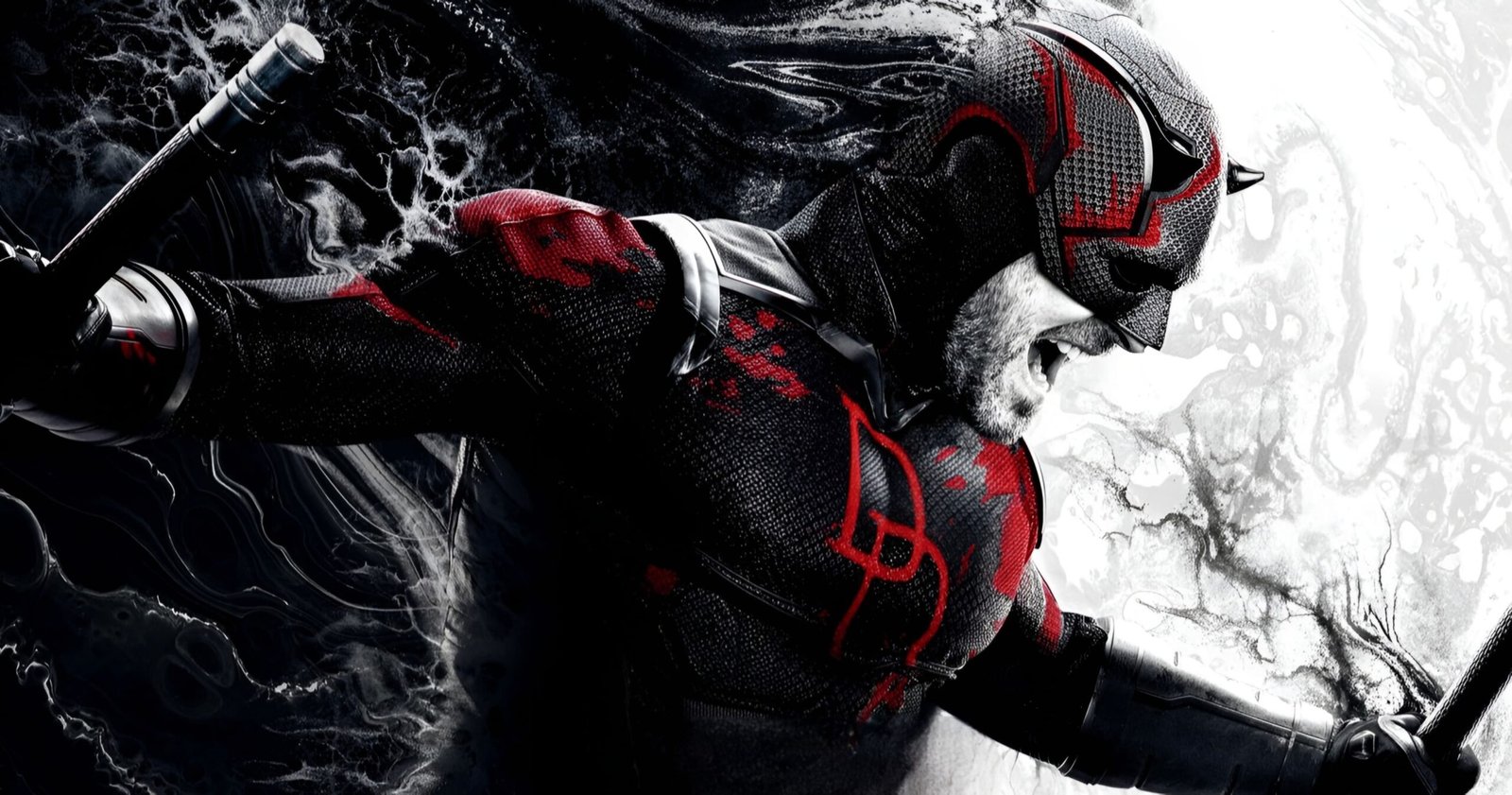
The Daredevil: Born Again Cancellation Issues have raised fresh questions about Marvel Studios’ approach to Disney+ television. Reports indicate that Season 3 could be the show’s final season, despite production wrapping around two months before the cancellation news emerged.
Marvel has also reportedly decided not to renew showrunner Dario Scardapane’s contract while the third season moves through post-production. If accurate, the decision would add another layer of uncertainty around the future of one of Marvel’s most closely watched television projects.
Daredevil: Born Again Cancellation Issues Point to a Larger Problem
The reported end of Daredevil: Born Again follows Wonder Man, which was also reportedly canceled this year. Together, these developments have renewed debate about Marvel’s broader Disney+ strategy. The studio has significantly reduced the number of Marvel series released each year. However, fewer shows have not necessarily resolved questions about the television division’s long-term creative direction.
Marvel’s movies generally operate within a connected structure. Individual films introduce characters and storylines that can eventually contribute to larger saga-level events, including Avengers movies. The original Disney+ strategy aimed to bring a similar connection to television. The shows could expand characters, explore new stories, and connect directly with the wider Marvel Cinematic Universe.
However, the rapid expansion of MCU television eventually created another challenge. Some viewers felt they needed to follow too many shows to keep up with the larger franchise. Marvel has since scaled back its Disney+ output. Still, the Daredevil: Born Again Cancellation Issues suggest that questions about the division’s identity and creative direction remain.
Marvel Already Changed Daredevil: Born Again
The current situation is particularly notable because Daredevil: Born Again already experienced a major creative overhaul. Marvel originally planned an 18-episode first season that leaned heavily into a legal-drama format. However, after six episodes had reportedly been filmed, the studio changed course and reworked the series.
Dario Scardapane eventually became showrunner, while directors Justin Benson and Aaron Moorhead were brought in to help reshape the project. The revised approach placed greater emphasis on the version of Daredevil audiences knew from the Netflix series while still positioning the character within the MCU. That history makes the latest Daredevil: Born Again Cancellation Issues especially significant. The series has already gone through substantial changes before reaching its reported final season.
Secret Invasion Faced Its Own Production Problems
Secret Invasion provides another example of the difficulties Marvel has faced with some Disney+ productions. The series reportedly experienced major creative changes and disagreements during its development and pre-production. Its reported budget eventually climbed beyond $200 million.
The project also underwent extensive reshoots and revisions before reaching audiences. These production difficulties became part of a wider discussion about how Marvel managed its television projects during the rapid expansion of the MCU’s Disney+ slate.
Other Marvel Shows Also Underwent Changes
The Falcon and the Winter Soldier, Hawkeye, and Ironheart also experienced various changes or redevelopment during production. These projects were not identical situations, and each had its own production circumstances. However, they demonstrate how Marvel’s television strategy evolved as the studio gained more experience producing large-scale streaming series.
The pattern also highlights a key difference between Marvel’s early Disney+ ambitions and its current approach. The studio initially pursued television at an unusually large scale. Over time, Marvel began reducing its annual output and placing more emphasis on fewer projects.
Not Every Marvel Disney+ Show Struggled
The Daredevil: Born Again Cancellation Issues should not be viewed as evidence that every Marvel television project has faced the same problems. Several Disney+ productions have received strong critical responses and developed significant fan followings.
WandaVision became one of Marvel’s most distinctive television projects, while Loki successfully built a continuing story around Tom Hiddleston’s character. Meanwhile, X-Men ’97 demonstrated how Marvel could achieve critical success with an animated series. These examples show that Marvel’s television strategy has produced different outcomes across projects.
Marvel’s Movies Have Traditionally Taken Priority
Another factor is Marvel Studios’ long-standing focus on theatrical releases. The MCU’s movies have traditionally served as the franchise’s primary storytelling engine. Major characters and events often receive their biggest developments on the big screen, while television projects have operated around that larger structure.
Marvel’s early television strategy also differed from the traditional television model. The studio initially did not rely on conventional showrunner structures for several of its Marvel television projects. That approach eventually changed as Marvel began adopting a more traditional television production model.
The shift became particularly visible with Daredevil: Born Again, which underwent a significant restructuring after Marvel reviewed the direction of the original series.
What Marvel’s TV Strategy Could Look Like Next?
The Daredevil: Born Again Cancellation Issues ultimately raise a broader question about what Marvel wants its Disney+ division to become. A smaller release schedule could give individual series more time for development. It could also allow Marvel to establish clearer creative identities for its television projects instead of treating every show primarily as another component of the wider MCU.
At the same time, Marvel’s strongest television successes suggest that the studio can still produce acclaimed series when the creative approach and format align. The challenge now appears to be establishing a consistent long-term strategy.
Marvel’s Disney+ shows do not necessarily need to function as mandatory chapters between every movie. They can also work as individual television stories while maintaining meaningful connections to the MCU.
For Daredevil: Born Again Cancellation Issues, the reported Season 3 conclusion and the decision surrounding Scardapane’s contract could become another example of Marvel reassessing how it handles television.
The larger question is whether the studio can turn those changes into a clearer and more consistent television strategy going forward.
Stay tuned for the latest updates on MCU’s upcoming projects, and subscribe to Marvel Updates’ YouTube channel.