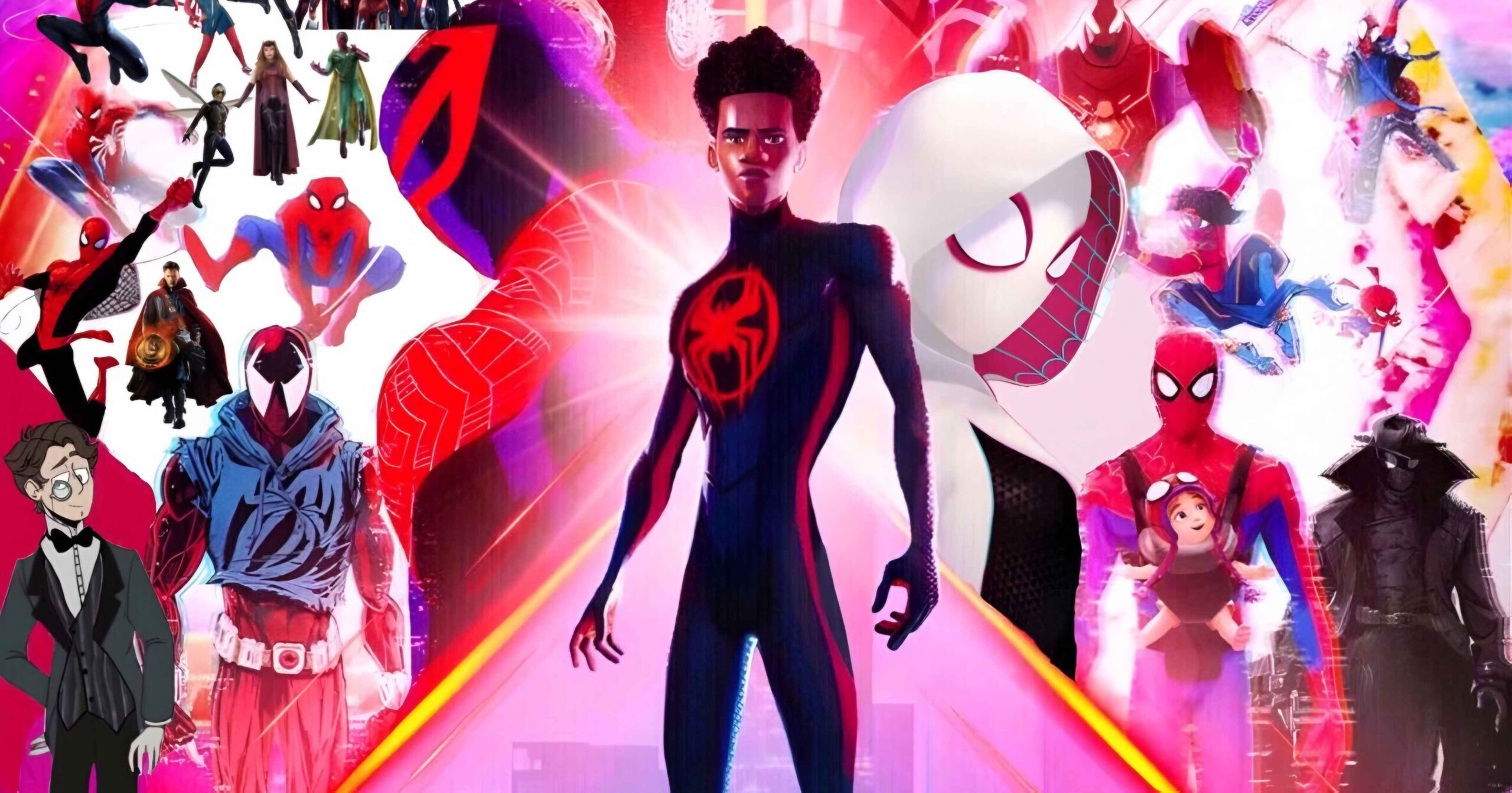
Spider-Man: Beyond the Spider-Verse is making a significant creative change compared to Spider-Man: Into the Spider-Verse and Spider-Man: Across the Spider-Verse. While the earlier films redefined animated storytelling with bold visual experimentation, this new installment is evolving the franchise in a different way.
This time, the change is happening behind the scenes. However, it could have a major impact on how the film ultimately looks and feels on screen.
Spider-Man: Beyond the Spider-Verse Brings in a Live-Action DP
For the first time in the franchise, the team has hired a live-action director of photography. Acclaimed cinematographer Alice Brooks is now shaping the camera language of the film.
Damien de Froberville explained:
“We brought on a live-action DP, Alice Brooks. She’s been directing camera in a way that we hadn’t done on Spider-Verse before. We’re in animation on Spider-Verse now. Because the directors and Chris and Phil have a chance to iterate so much early on while we’re in story, and truly visualize what it’s going look like by the time those sequences flow into the Imageworks pipeline, there’s way less changes.”
This approach marks a major departure from the previous films. Instead of relying purely on animation-first cinematography, the team is applying live-action camera techniques earlier in development.
Moreover, producers Chris Miller and Phil Lord now refine sequences during the story phase. As a result, the team fully realizes scenes before sending them into the Sony Pictures Animation Imageworks pipeline. Consequently, this streamlined approach improves efficiency while preserving the franchise’s signature artistic ambition.
Spider-Man: Beyond the Spider-Verse Refines Its Production Pipeline
In addition to the new cinematography direction, the production team has adjusted its animation pipeline.
De Froberville noted:
“We made some changes to the pipeline to, not avoid — because Chris and Phil are always going to iterate late — but to lessen the amount of iteration on the back end.”
In other words, creative experimentation will continue. However, the team aims to reduce heavy last-minute revisions that previously added pressure to the production schedule.
Therefore, the new workflow allows for early experimentation while limiting extensive back-end reworking. This balance could help the film meet its ambitious visual goals without repeating past challenges.
Addressing Crunch Concerns After Across the Spider-Verse
Following reports of crunch during Across the Spider-Verse, studio executive Kristine Belson addressed concerns about working conditions.
She said:
“Nobody has to work on a show they don’t want to work on. Even though you’ll hear — whether it’s Spider-Verse or other shows — that people go through these really difficult crunch times, everybody wants to be on the most ambitious and most exciting shows.”
Although crunch discussions have surrounded many major animated projects, Belson emphasized that the Spider-Verse films attract top talent because of their creative scope. Still, the pipeline adjustments suggest that lessons were learned. By refining the process, the team appears focused on balancing artistic ambition with a more sustainable workflow.
Spider-Man: Beyond the Spider-Verse is directed by Bob Persichetti and Justin K. Thompson. The film is currently scheduled for release on June 18, 2027. While fans still have a wait ahead, these creative updates indicate that the next chapter in the Spider-Verse saga is aiming to evolve once again.
Stay tuned for the latest updates on MCU’s upcoming projects, and subscribe to Marvel Updates’ YouTube channel.